Guido Franco Ferrari
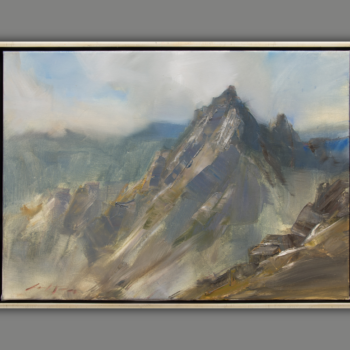
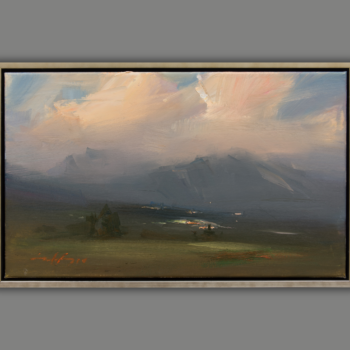
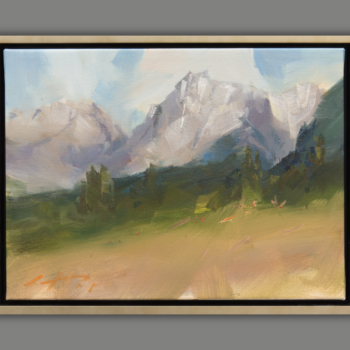
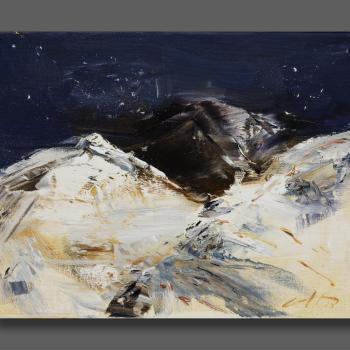
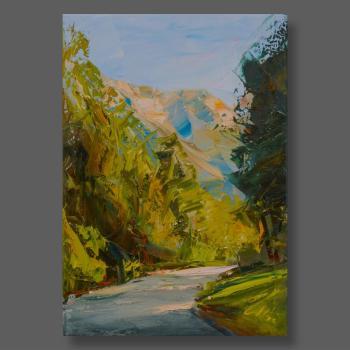
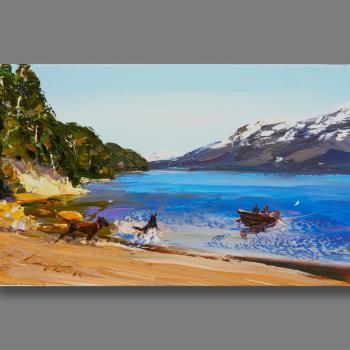
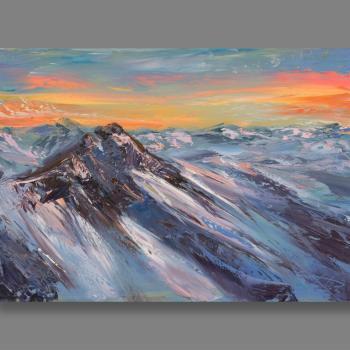
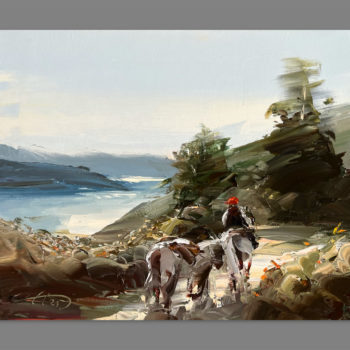
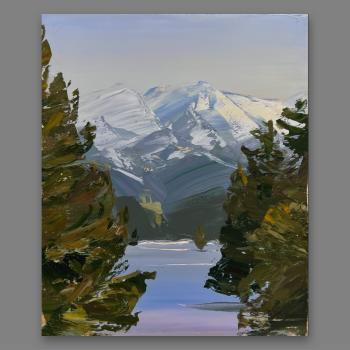
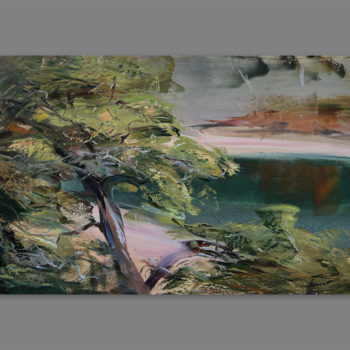
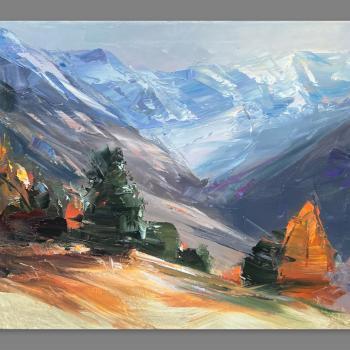
Guido Ferrari was born in Patagonia, Argentina and is a professional painter. His paintings are mainly inspired by natural motifs and often depict corners of nature untouched by civilization, or life in the rugged mountains of Patagonia. It is therefore not surprising that “gauchos” – South American cattle or horse breeders – can often be seen in his oil paintings.
In his work, Guido Ferrari mainly uses painting with painter’s spatulas and palette knives, which allows him a fresh expression, and despite the dense layers and structure of the painting, the possibility of its quick completion when working in the open air.
“ARTE AL NATURAL” is the Spanish term for the type of painting that Guido Ferrari presents himself with, and literally translated it is natural, natural art in the sense of naturally animal, intuitive painting as well as the motifs of his paintings.
Guido said about his work:
“To us, who are artists and creators of artistic artifacts, time often seems very, very short. We are always looking for and discovering new inspirations and that is why I often have unfinished projects left behind, because my time and physical capabilities simply do not allow me to realize all my projects that life inspires me to do. But the beauty of my projects lies in the journey to their fulfillment, and if I reach the goal, it’s an extra gift.
For six years now, I’ve only been painting, and it’s not an easy road. It brings many crises, but also a lot of satisfaction, because I enjoy creating immensely. And living what one loves is priceless. On this journey, I understood that I paint for myself, I get to know myself while painting. But painting is also my ticket, my passport, my door to the world. Painting took me to four continents, I created and exhibited in the USA, Iceland, Denmark, France, Austria, Slovakia, Bulgaria and of course in my native Argentina.
For me, the greatest fulfillment is to see flourishing life, to connect to the natural purity of life in the mountains. And that’s why I keep coming back to the mountains and pay tribute to them with my painting.”
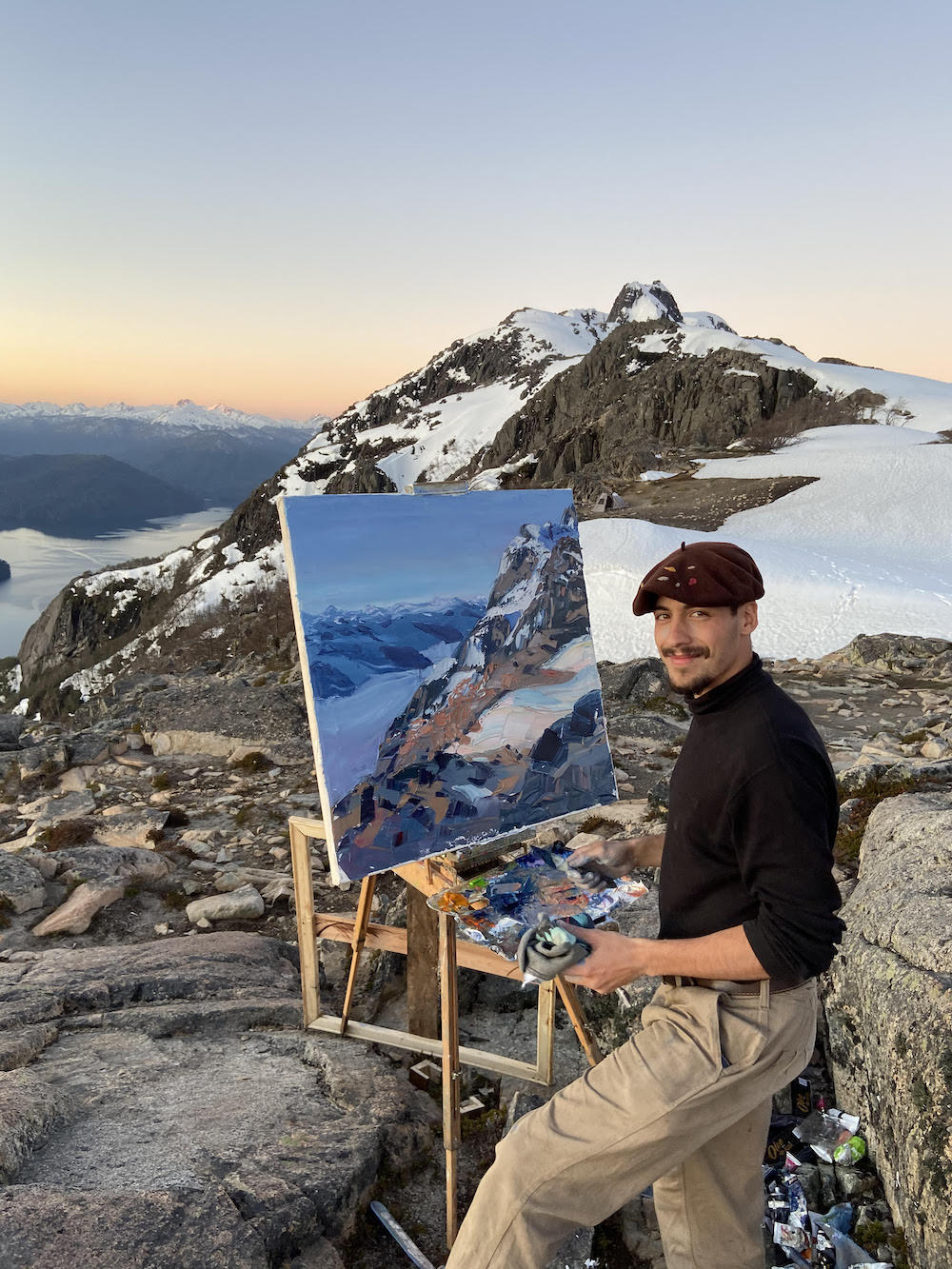
Guido Franco Ferrari
Guido Ferrari was born in Patagonia, Argentina and is a professional painter. His paintings are mainly inspired by natural motifs and often depict corners of nature untouched by civilization, or life in the rugged mountains of Patagonia. It is therefore not surprising that “gauchos” – South American cattle or horse breeders – can often be seen in his oil paintings.
In his work, Guido Ferrari mainly uses painting with painter’s spatulas and palette knives, which allows him a fresh expression, and despite the dense layers and structure of the painting, the possibility of its quick completion when working in the open air.
“ARTE AL NATURAL” is the Spanish term for the type of painting that Guido Ferrari presents himself with, and literally translated it is natural, natural art in the sense of naturally animal, intuitive painting as well as the motifs of his paintings.
Guido said about his work:
“To us, who are artists and creators of artistic artifacts, time often seems very, very short. We are always looking for and discovering new inspirations and that is why I often have unfinished projects left behind, because my time and physical capabilities simply do not allow me to realize all my projects that life inspires me to do. But the beauty of my projects lies in the journey to their fulfillment, and if I reach the goal, it’s an extra gift.
For six years now, I’ve only been painting, and it’s not an easy road. It brings many crises, but also a lot of satisfaction, because I enjoy creating immensely. And living what one loves is priceless. On this journey, I understood that I paint for myself, I get to know myself while painting. But painting is also my ticket, my passport, my door to the world. Painting took me to four continents, I created and exhibited in the USA, Iceland, Denmark, France, Austria, Slovakia, Bulgaria and of course in my native Argentina.
For me, the greatest fulfillment is to see flourishing life, to connect to the natural purity of life in the mountains. And that’s why I keep coming back to the mountains and pay tribute to them with my painting.”